


Bonded Marble Statues - Dry Cast Marble Sculpture
Dry cast marble, also known as bonded marble, cold cast marble, cultured marble or cast marble, is a material widely used to create high-quality sculpture reproductions. It should not be confused with carved natural marble, alabaster, or cheaper casts made from alabaster powder. While these materials may look similar at first glance, they differ greatly in weight, texture, durability and long-term appearance.
Bonded marble is made by mixing very fine marble powder, usually around 80–90%, with a smaller amount of resin or polymer binder, usually around 10–20%. The marble powder is often a byproduct of the cutting process in marble quarries, while the resin binder allows the mixture to be poured into moulds and shaped with precision.
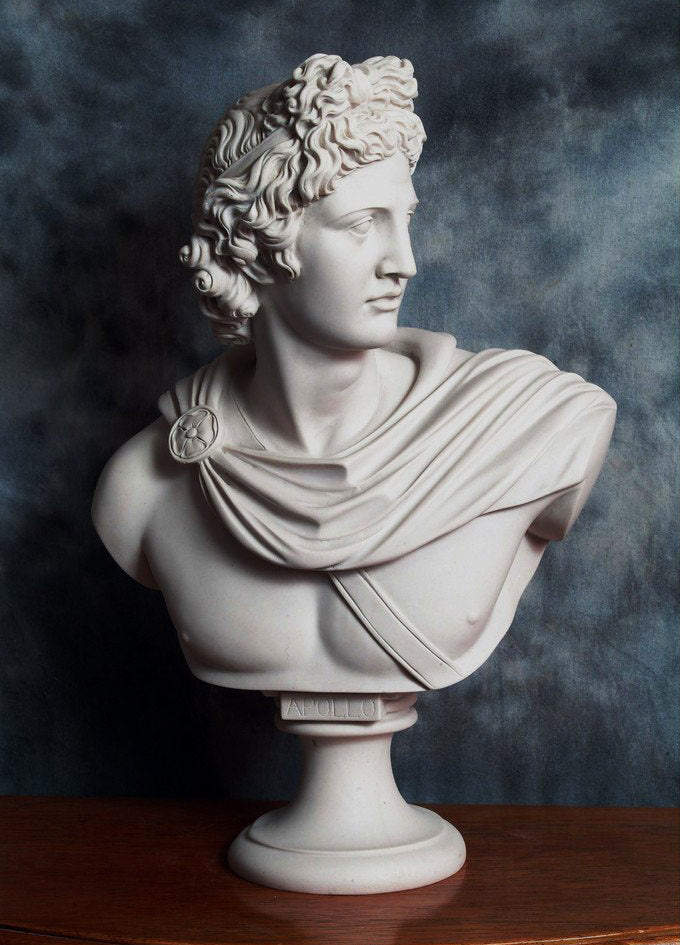
Bonded Marble Apollo Bust Sculpture (Large)
This is what makes dry cast marble ideal for sculpture. The fine marble particles flow into the mould and capture small details, allowing classical statues, busts and reliefs to be reproduced with a high level of accuracy. After casting, the sculpture can also be finished, sanded or refined by hand to improve the final surface.
Compared with ordinary resin sculptures, bonded marble has a much more authentic stone-like feel. It is heavier, colder to the touch, smoother and visually closer to real marble. Resin-only products are usually lighter and cheaper, but they often lack the solid weight, refined surface and natural feel that collectors and interior designers expect from a marble-style sculpture.
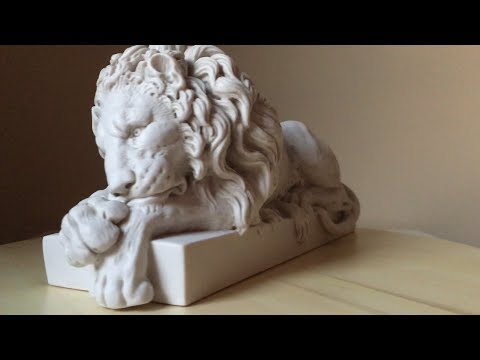
Watch the video of our Bonded Marble Chatsworth Lions Statue in Pair (Small)
Another important difference is long-term color stability. Many resin-only sculptures, especially lower-quality ones, can become yellowish, faded or discolored over time when exposed to sunlight or UV light. This is one of the reasons why resin sculptures are affordable but in the long run the value is lost very quickly. High-quality cast marble sculptures are more expensive: they contain a high percentage of real marble powder and are made with more durable, UV-stable materials designed to preserve their appearance for many years.
For this reason, the higher price of bonded marble is not only about weight or material cost. It also reflects the quality of the mould, the marble content, the hand-finishing process, the more authentic stone feel and the better resistance to discoloration compared with many standard resin sculptures.
In short, bonded marble is an excellent choice for anyone looking for a sculpture with the look, weight and elegance of marble, while benefiting from modern technology that make it more affordable than carved natural stone. It offers a more premium and long-lasting alternative to resin-only sculptures, especially when detail, durability and timeless appearance matter.
14 comments
Share this
Explore more
Popular posts

Popular posts


Popular posts

Hi Ronnie,
Cast marble is just a term that can be used to a wide range of composite materials. Centuries ago, “cast marble” would have been made of ceramic mixtures fired in a kiln, or a mixture of concrete. There days there are modern resins that can help reduce the cost and increase durability and looks. In most cases, a visual inspection is not enough to determine the material composition. I hope that helps.
This blog about dry cast marble is highly informative, breaking down the process in a simple way. It’s definitely worth reading!
Question how long ago they start making cast marble? The reason why I asked I have an old French marble statue that is very crowded and been in the weather for a long time I think is cast marble. It’s got to be a couple hundred years old. I love to be able to share a picture.
Hi,
Thanks for the article. In your search filters, you have listed “bonded marble” and “cast marble.” What is the difference, considered the higher quality, closer feel to natural marble? Thanks.
How durable is this marble powder epoxy statue will they last hundreds of years like a real Marble statue ??
Leave a comment